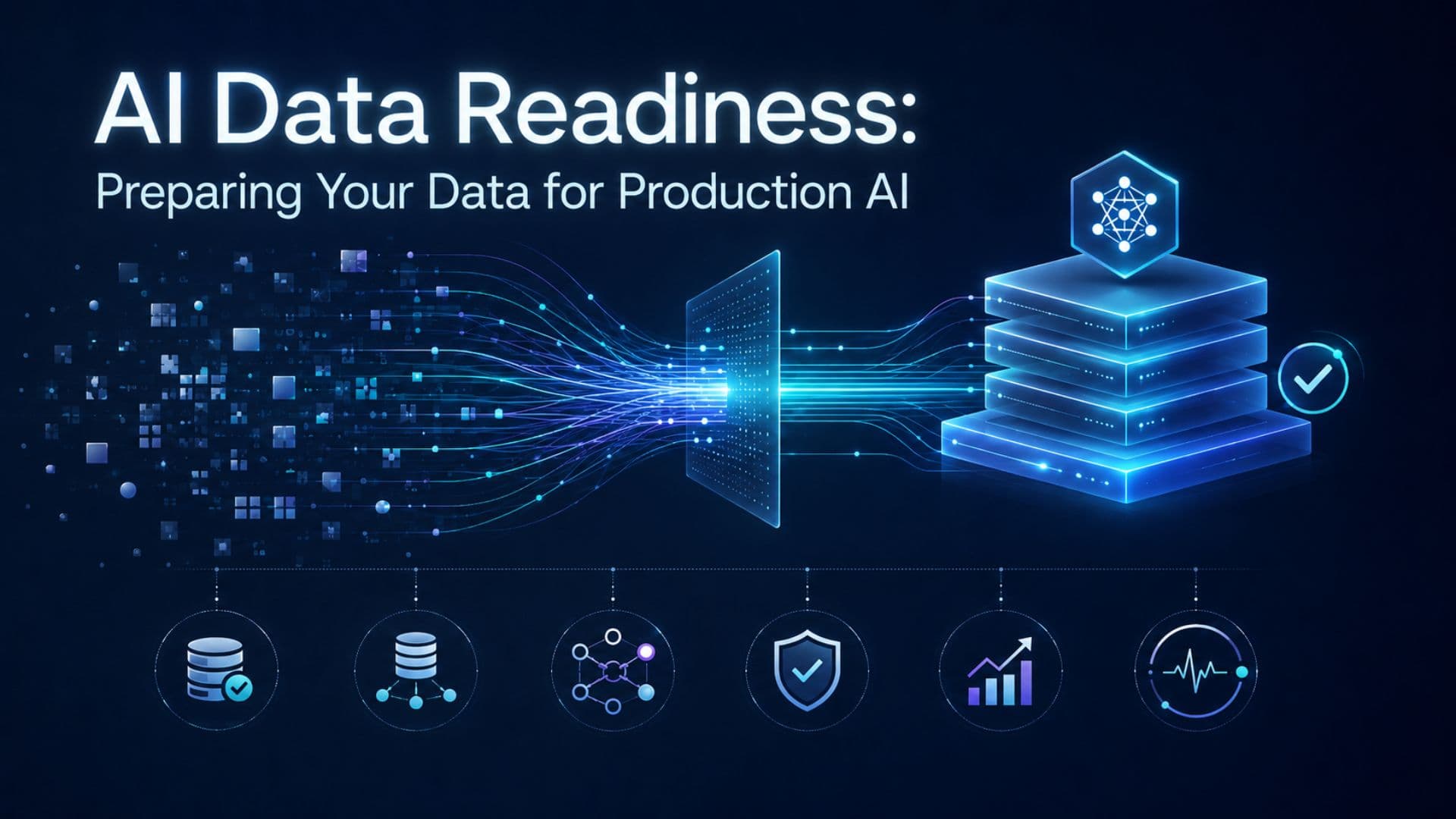
📢 AI Data Readiness: Preparing Your Data for Production AI
Read morePractical insights on project health, workflows, and intelligent governance.
A practical walkthrough of how Umaku governs AI development — end to end.
A structured guide to how Umaku supports AI teams through intelligent governance — covering boards, roadmaps, backlogs, analytics, and development oversight.

Umaku is built for AI product teams — including project managers, engineering leads, data science managers, and delivery leaders responsible for turning AI initiatives into production systems.It’s designed for teams that need structure, governance, and visibility while developing real-world AI products.
Umaku is purpose-built for AI development workflows, but it can also support teams working on traditional software.Its real value shines when managing model-driven products, experimentation-to-production workflows, and complex AI delivery cycles.

Learn how AI data readiness helps organizations move from prototypes to production with better data quality, governance, accessibility, and context.

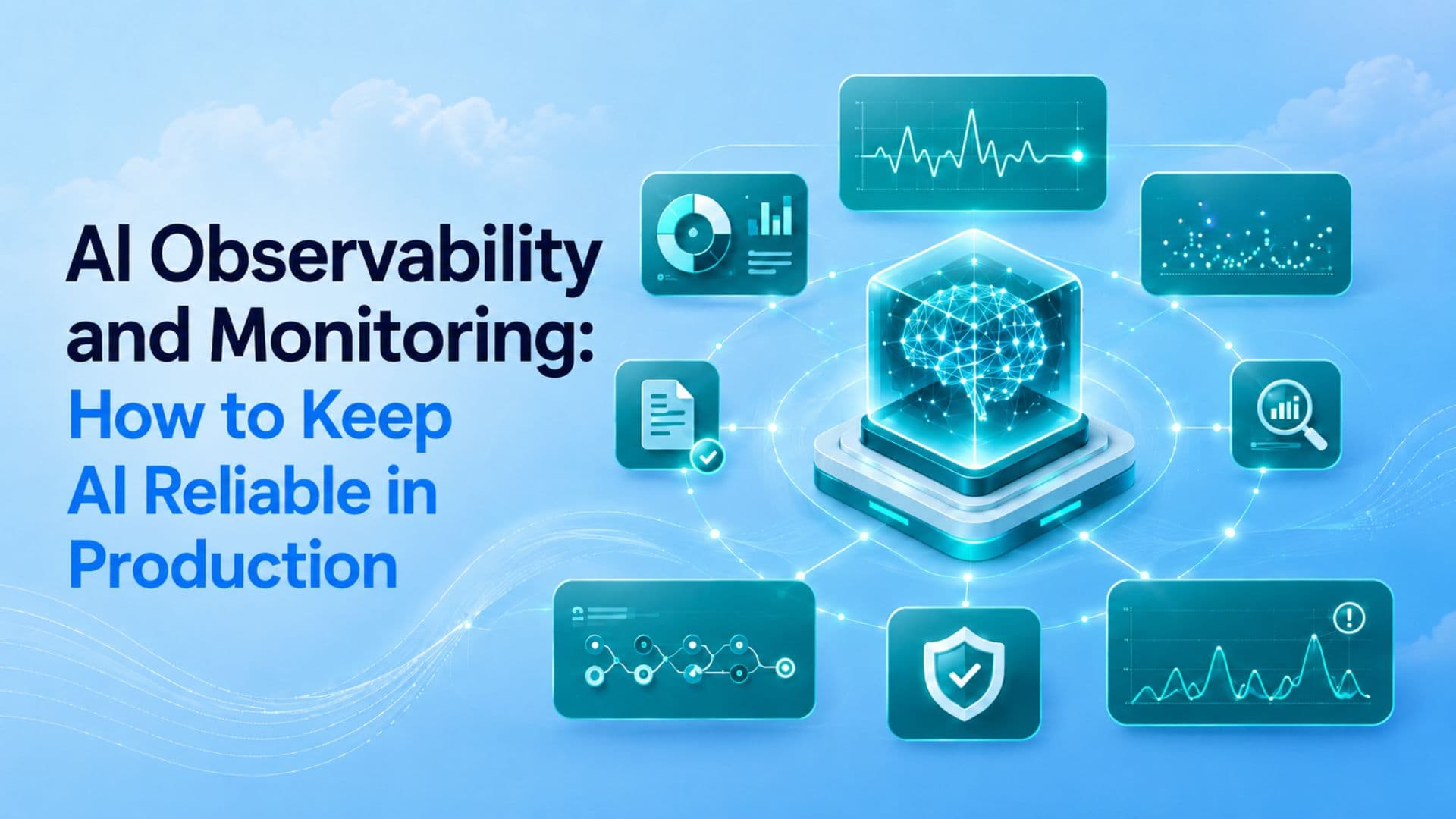
Learn how AI observability helps detect silent failures through metrics, logs, traces, and evaluations while keeping production AI reliable.

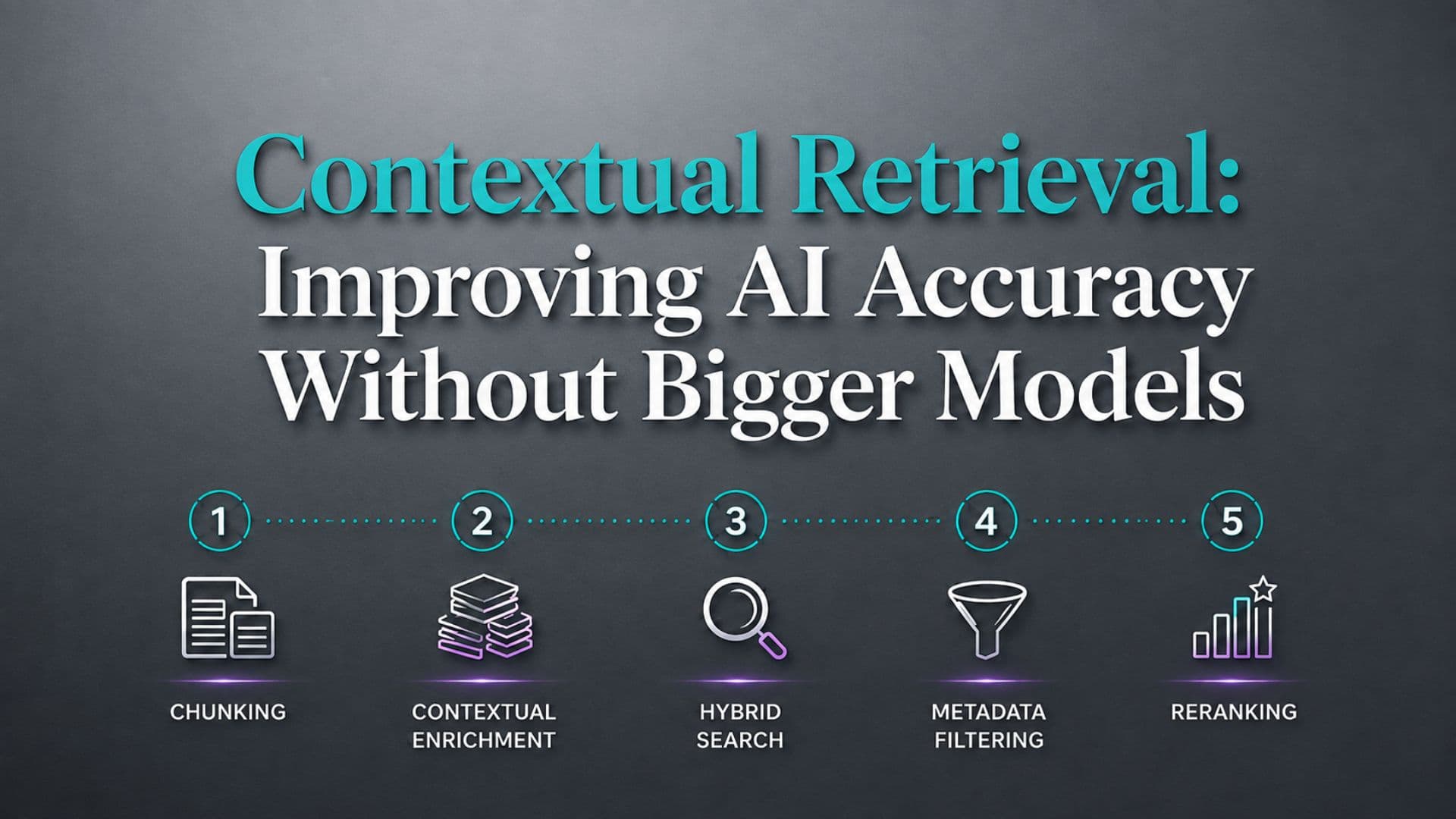
Understand contextual retrieval in AI with practical guidance on chunking, contextual enrichment, hybrid search, metadata, and reranking.

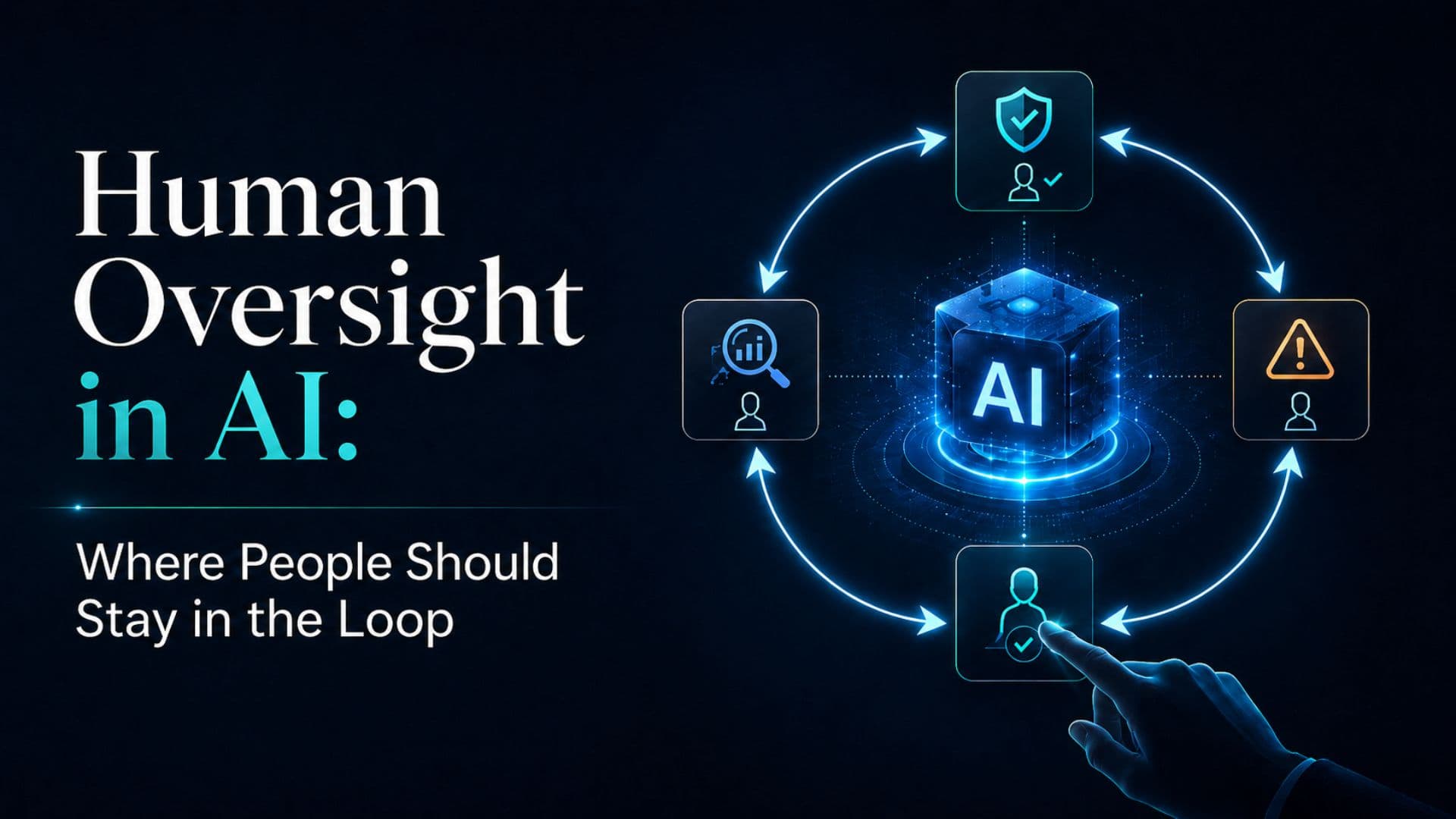
Discover how human oversight enables safe AI adoption through risk-based reviews, monitoring, governance, and accountability across the AI lifecycle.

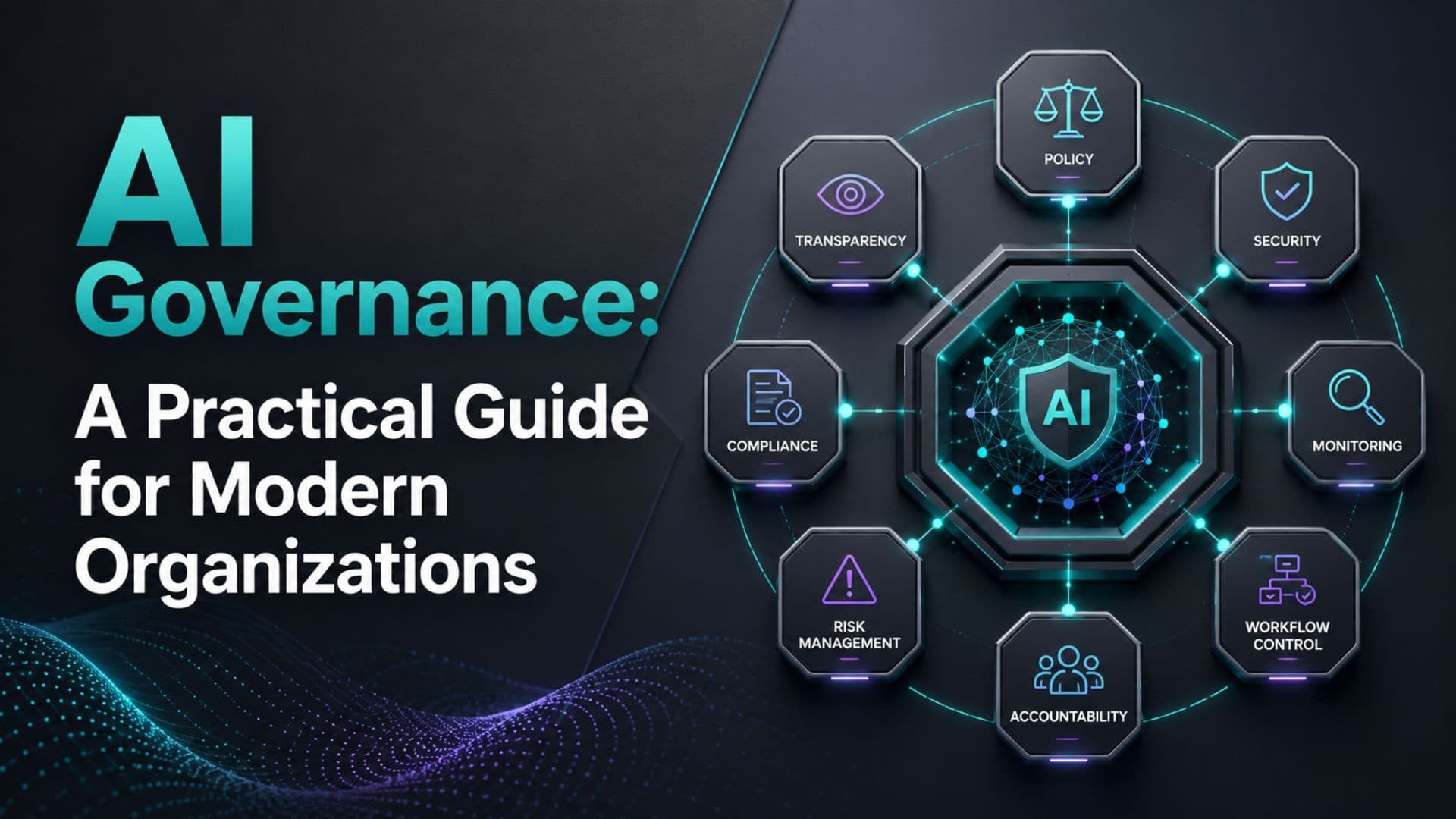
Explore AI governance, its core pillars, maturity model, leading frameworks, and practical steps to deploy and manage AI systems in production.

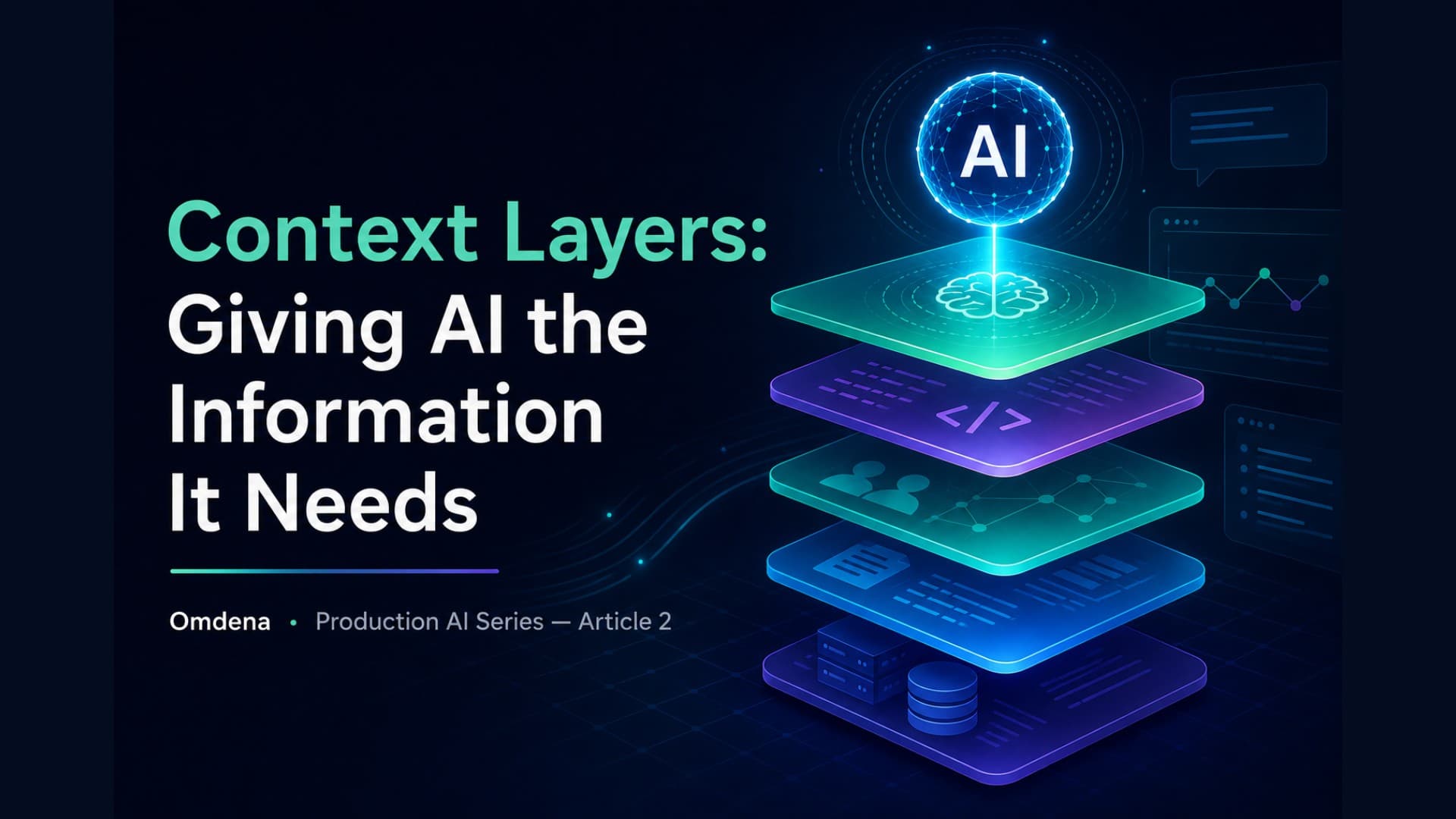
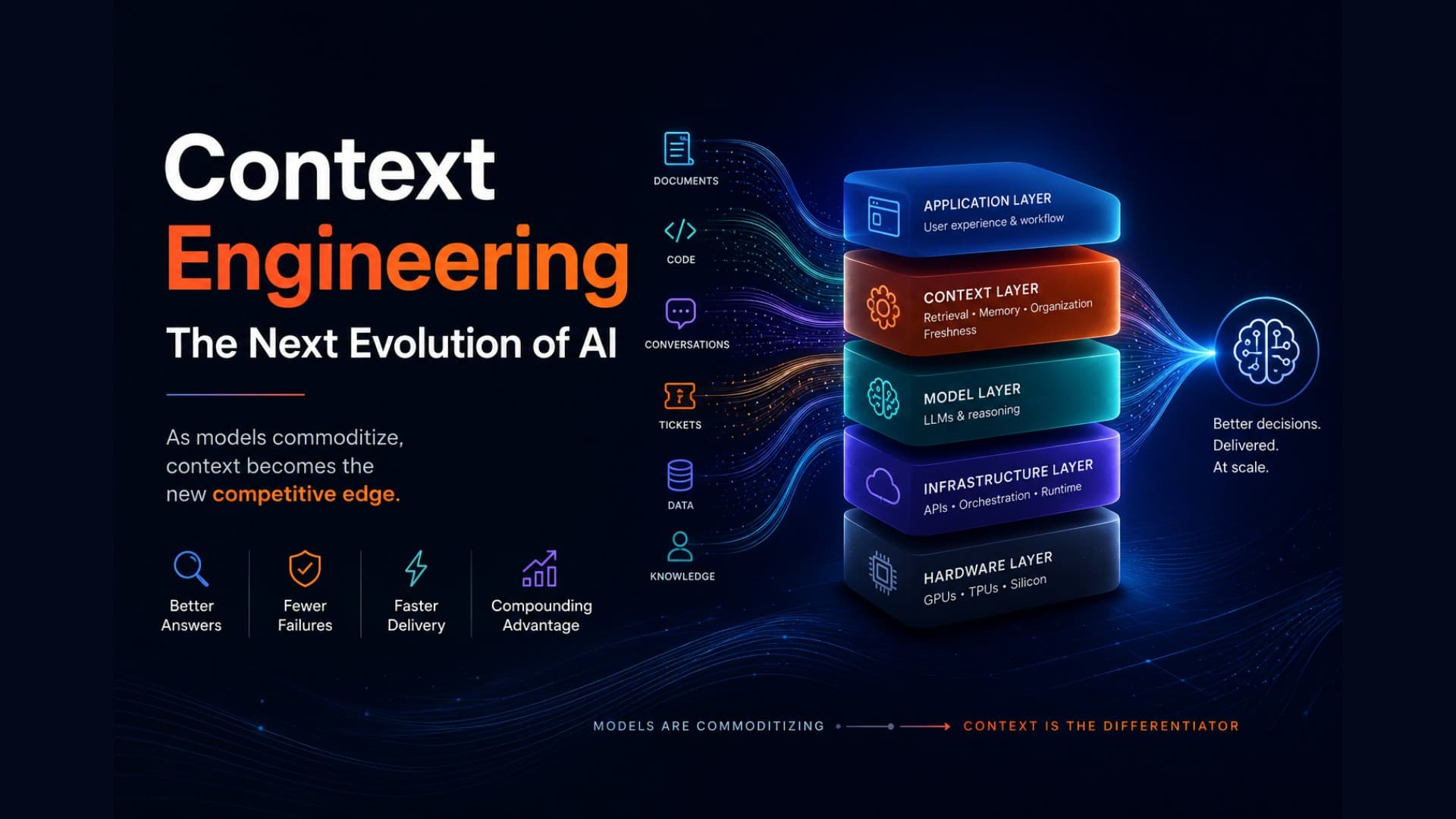
Explore the six context layers every production AI system needs, from system prompts and retrieval to memory and live state.

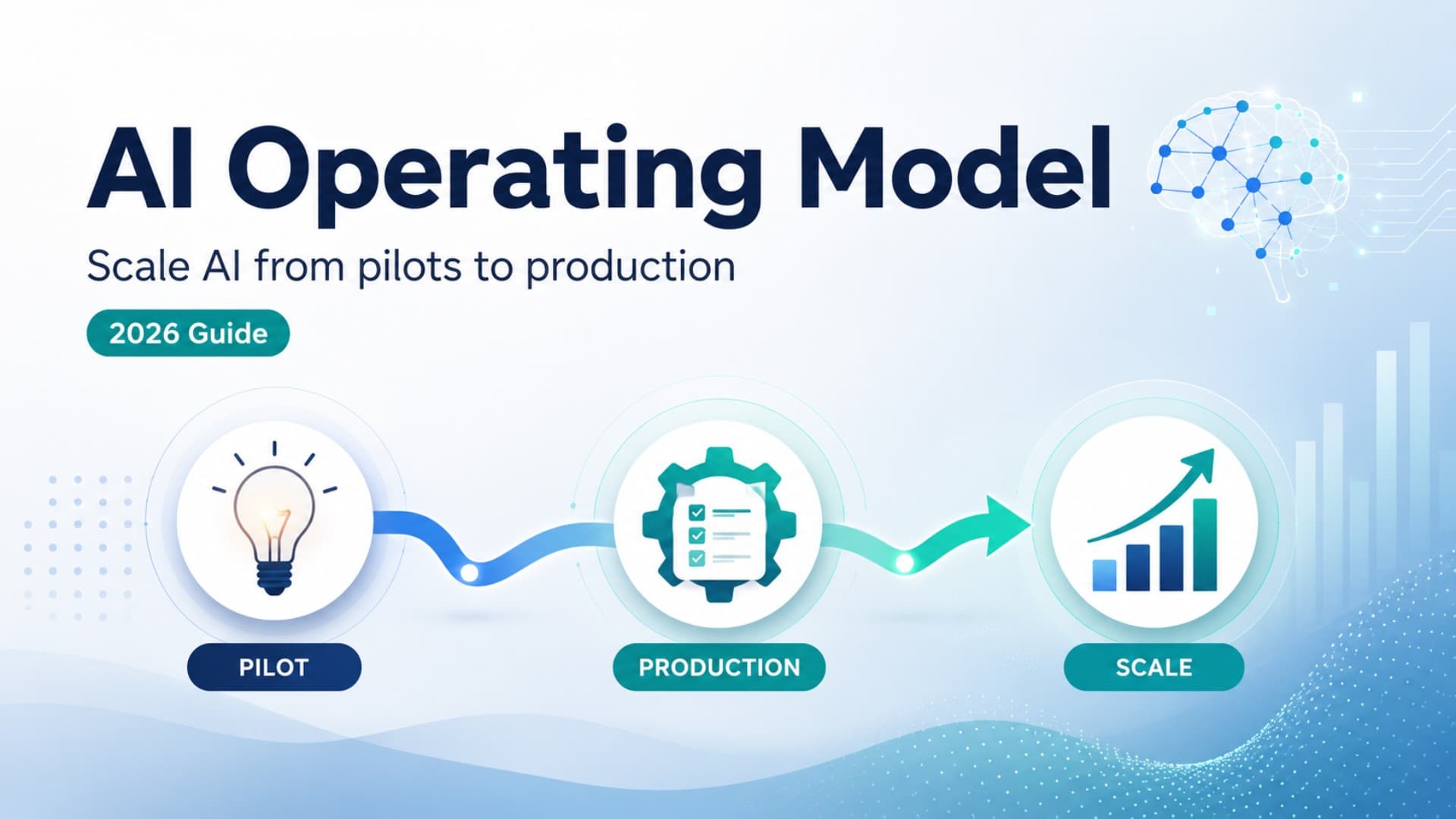
Discover how an AI operating model helps organizations move from AI pilots to production with governance, MLOps, and continuous operations.

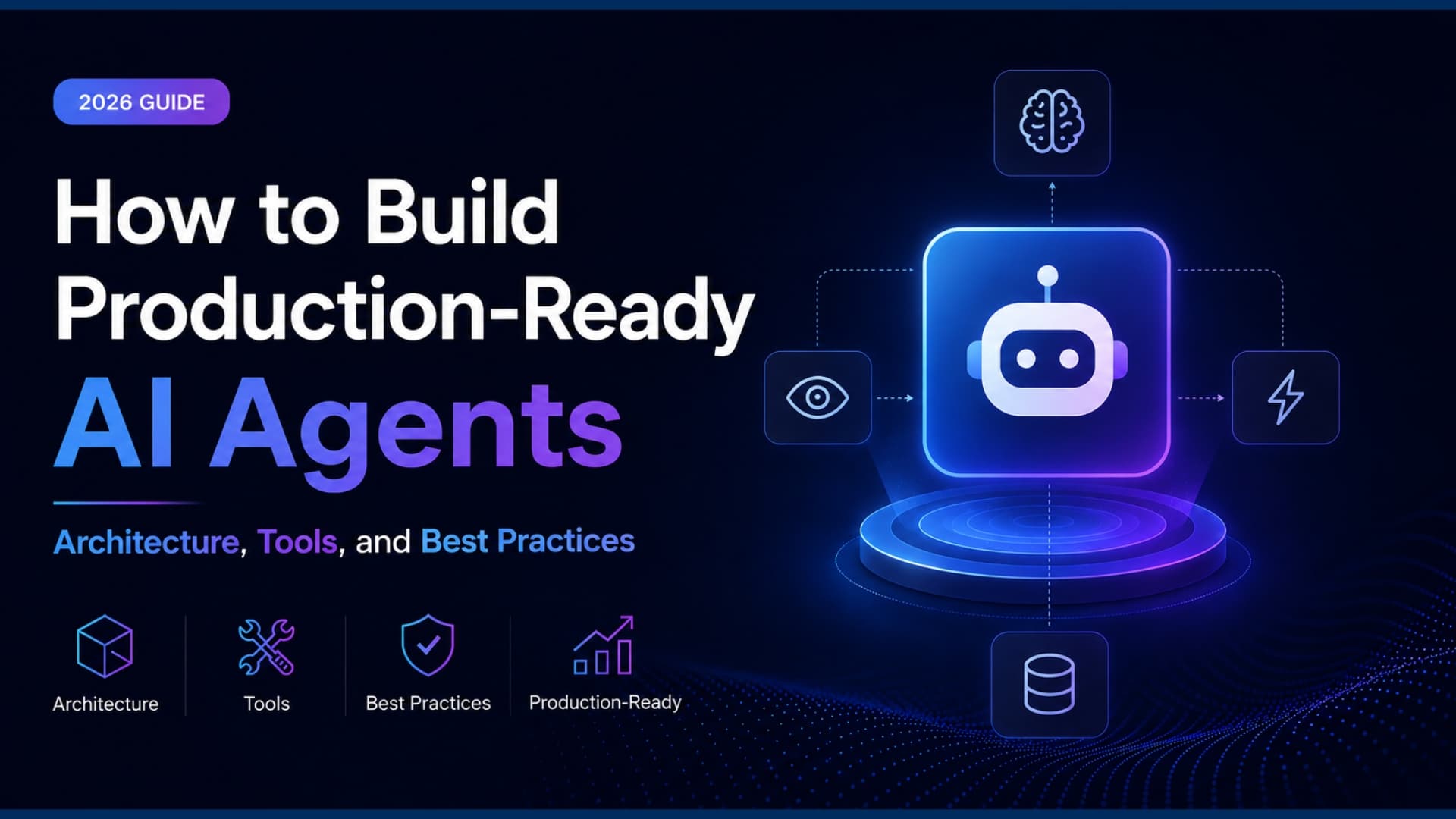
Discover the engineering practices behind production-ready AI agents, from architecture and memory to evaluation, deployment, and governance.

Discover why AI's competitive edge is shifting from prompts to context engineering, and how leading teams build more accurate production AI systems.

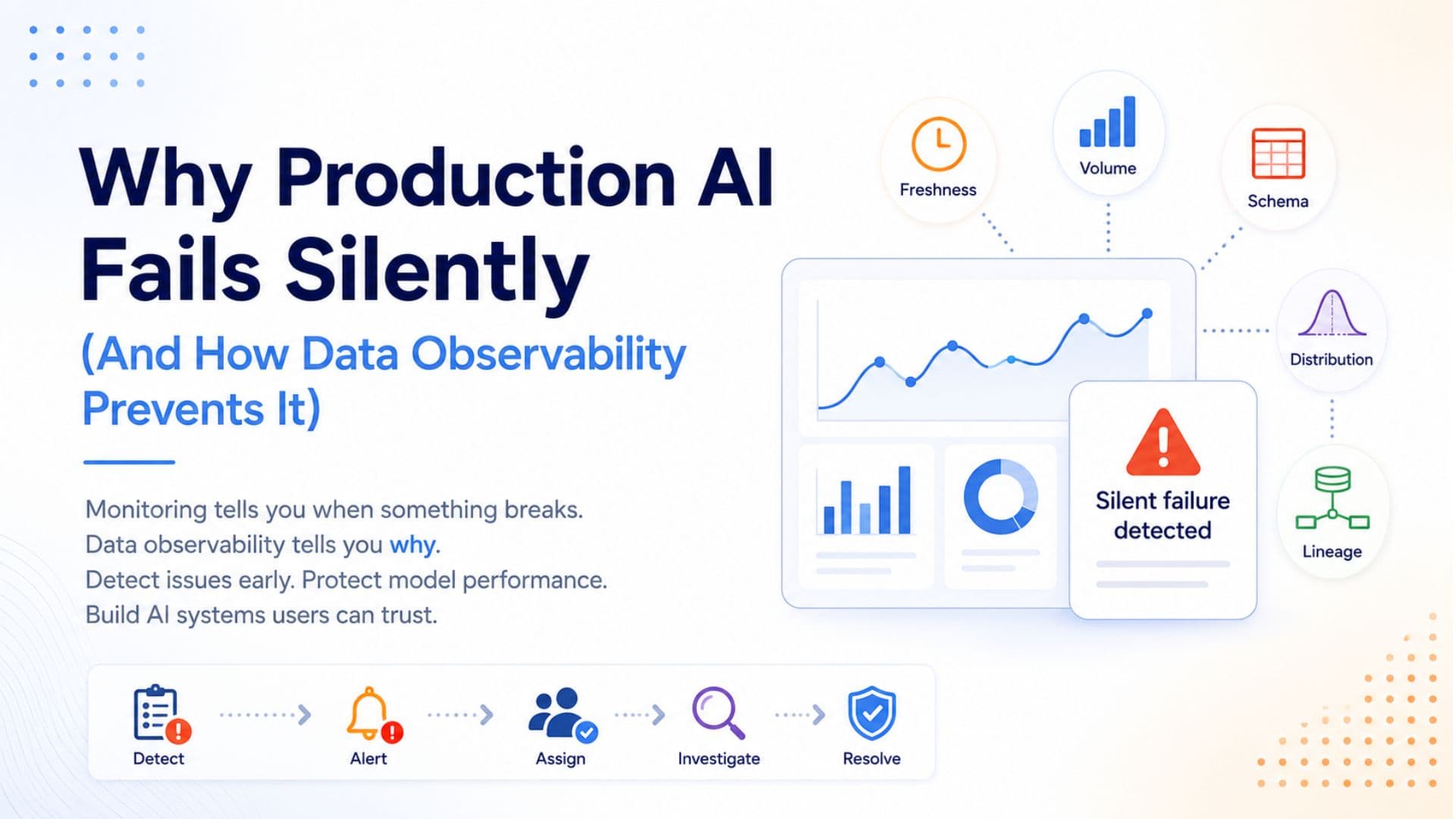
Discover how data observability detects schema drift, stale data, and feature drift to build reliable, production-ready AI systems.

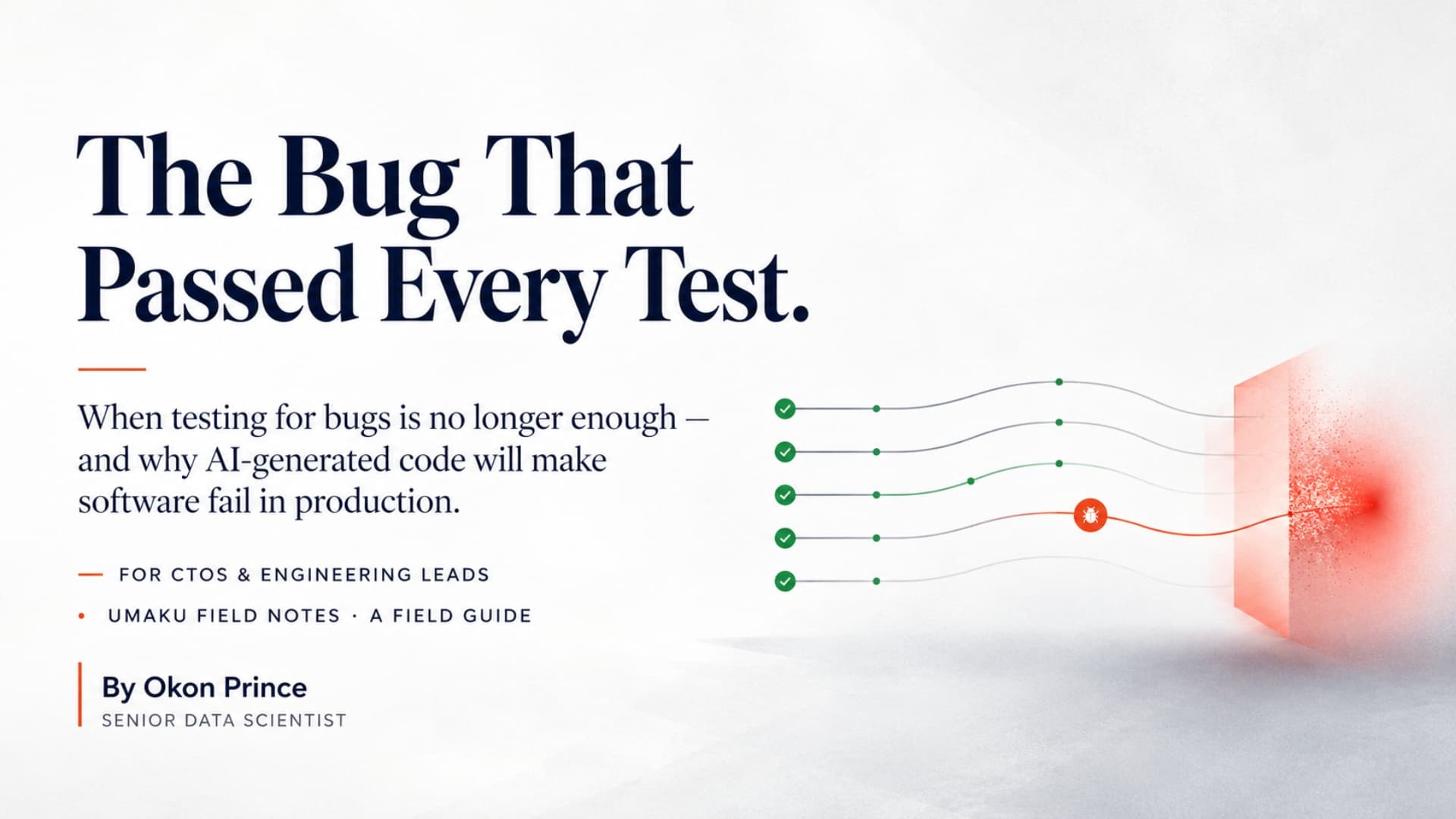
Discover why conventional tests miss logical bugs in AI-generated code and how signature-based pattern matching improves code reviews.

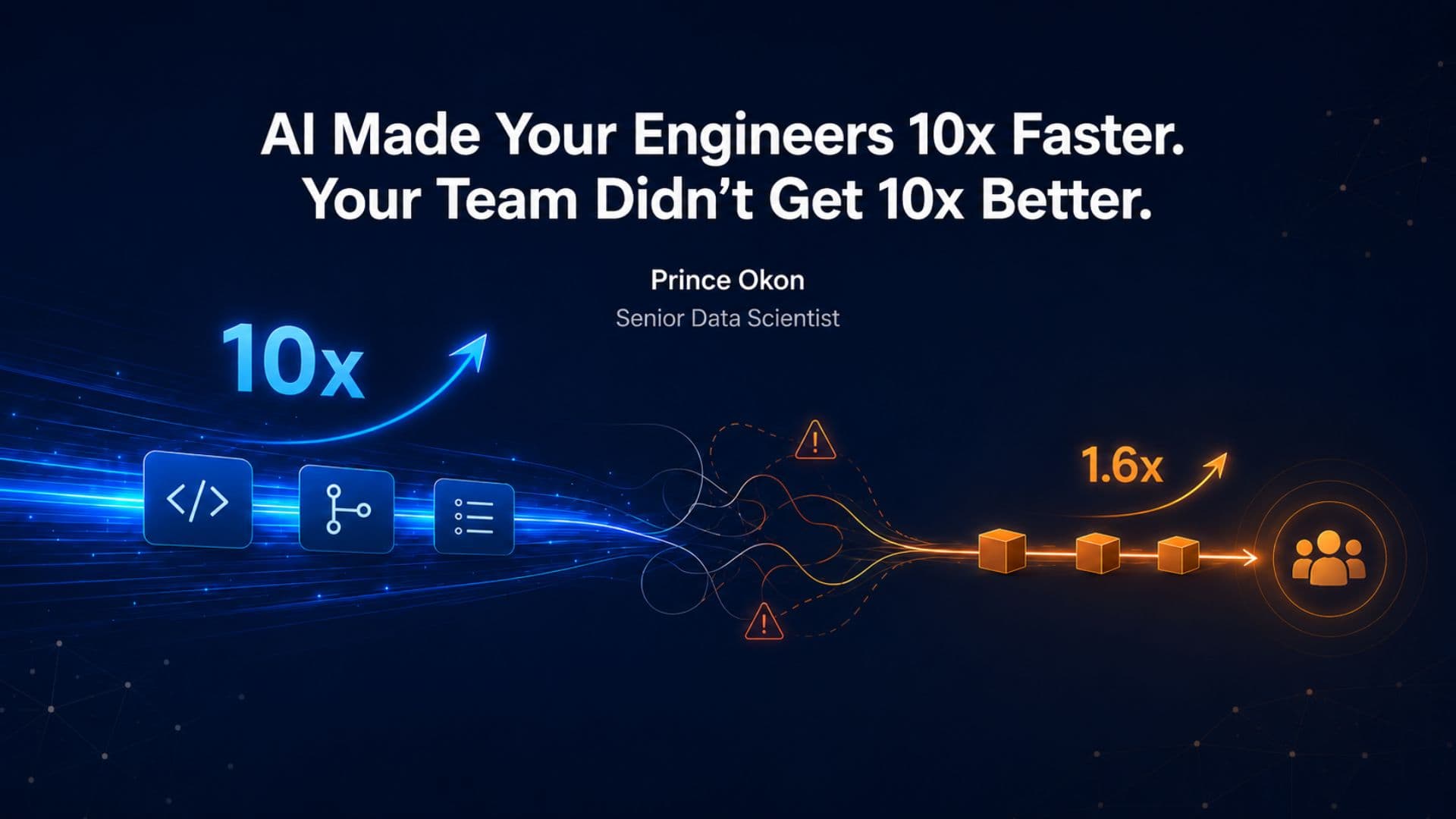
AI speeds up coding, not coordination. Learn how engineering teams can reduce hidden coordination costs and ship software faster.

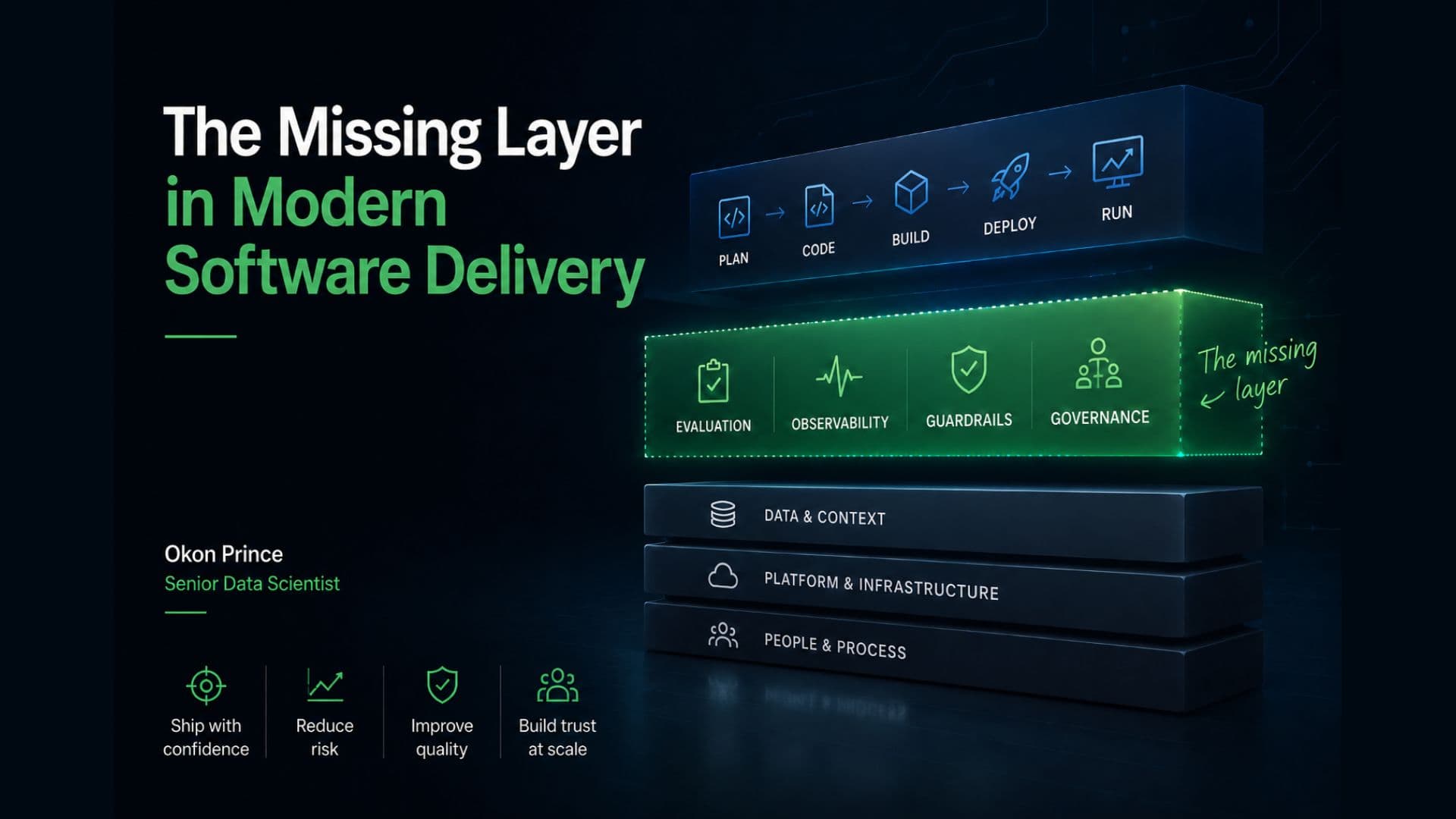
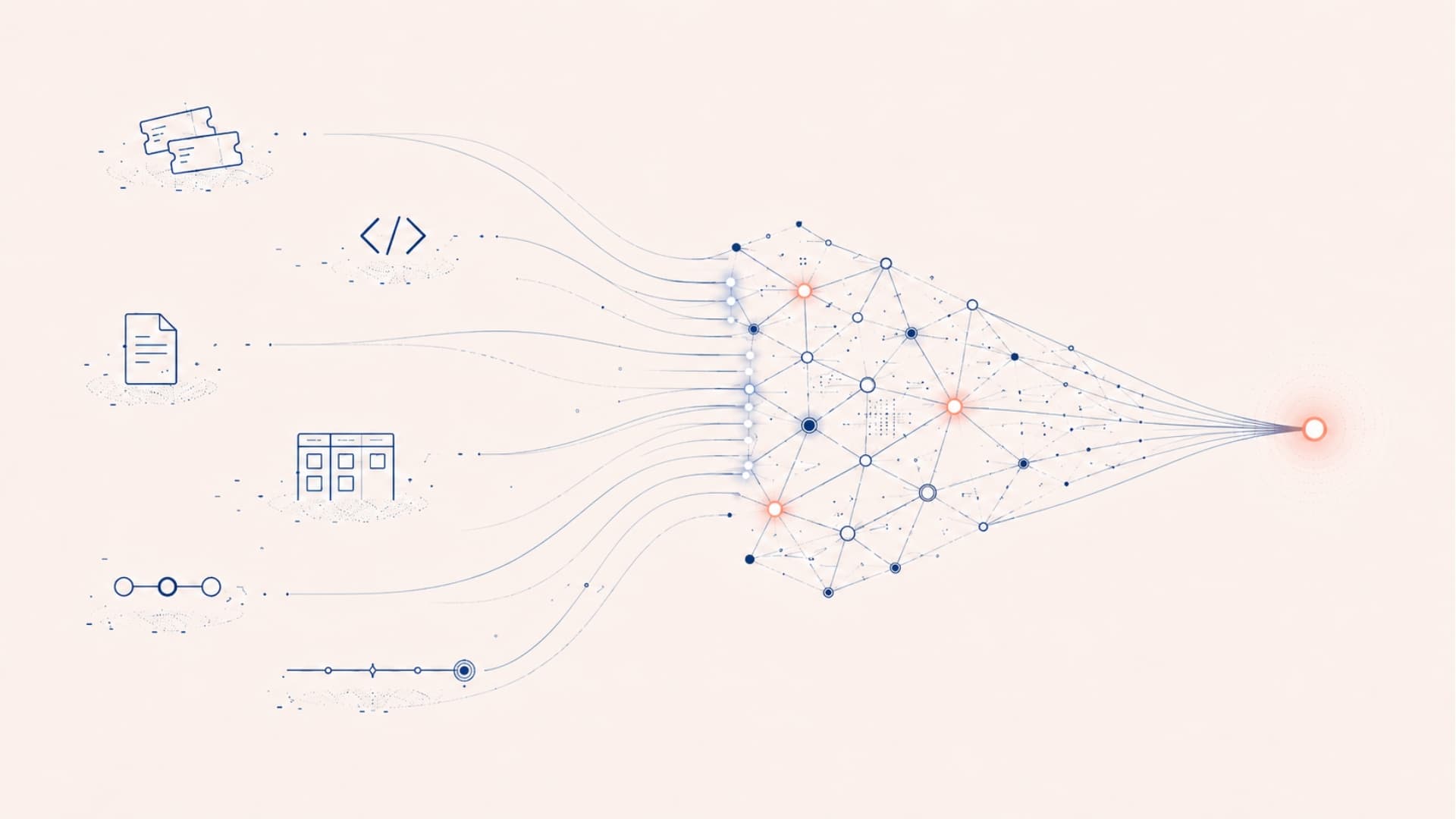
Most production failures come from missing evaluation, observability, guardrails, and governance. Learn how to build production-ready AI systems.

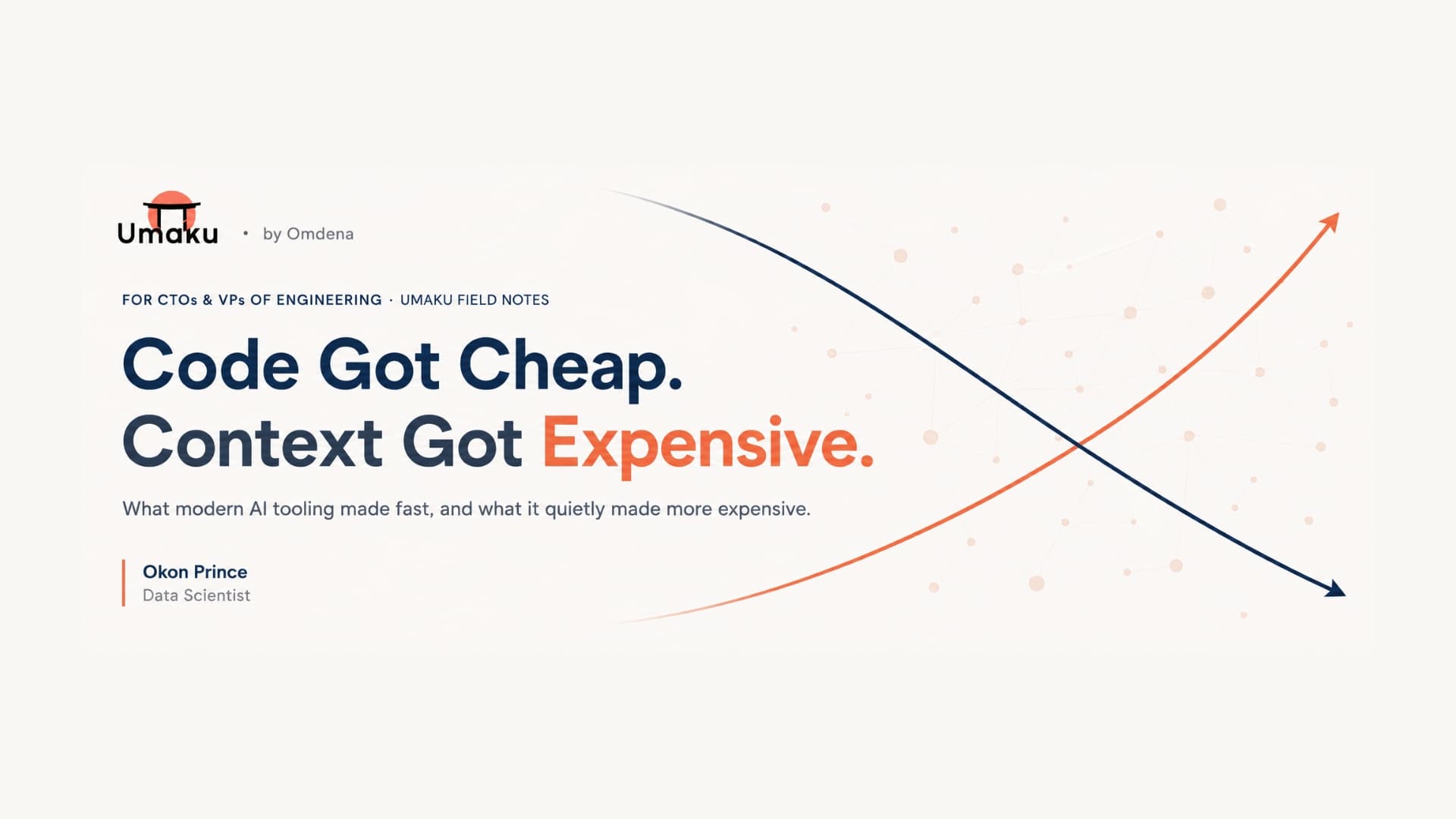
Discover why AI-assisted development shifts software costs from coding to integration, reviews, and context, and how engineering teams can adapt.

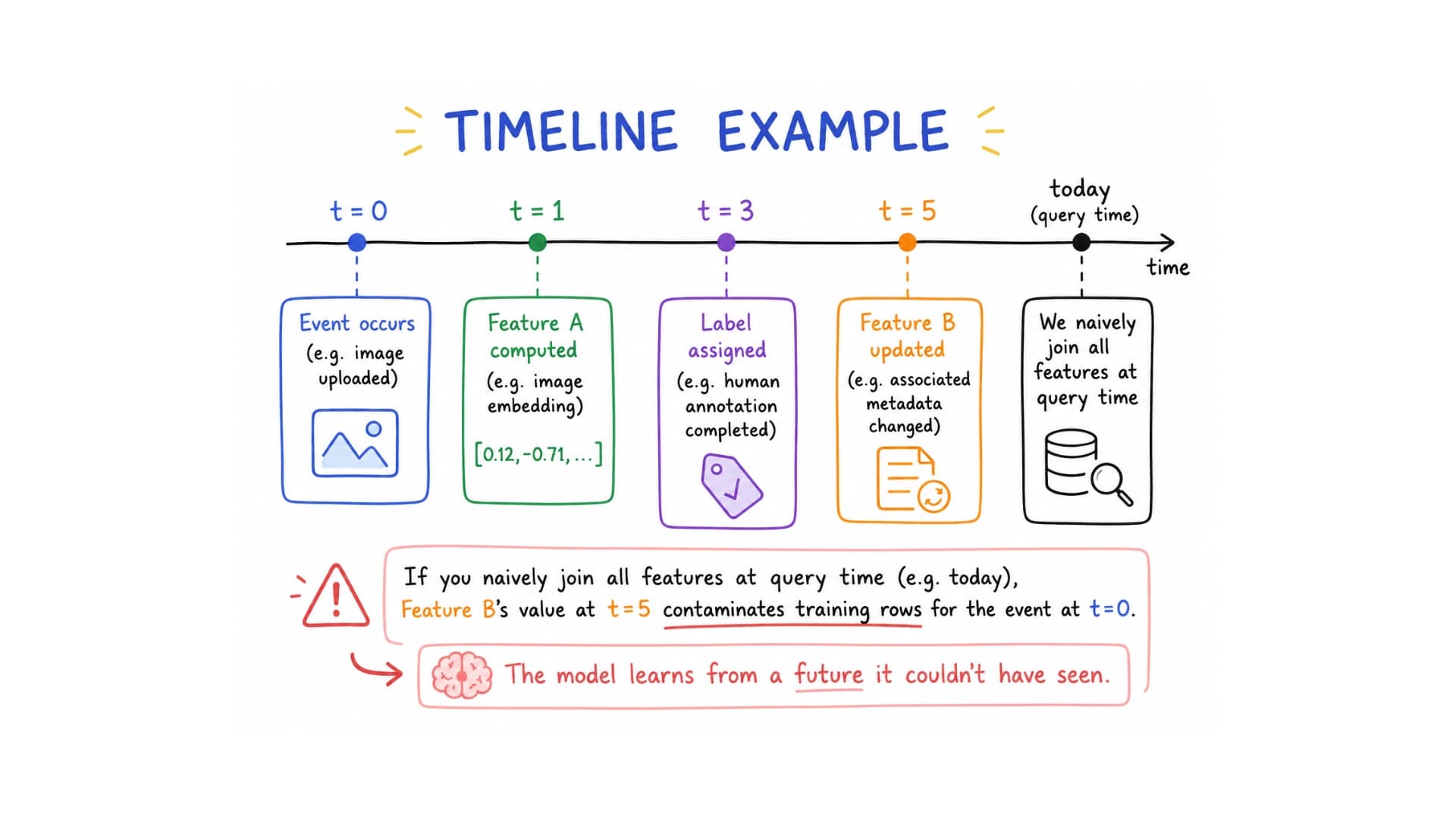
Why training-serving skew, data leakage, and irreproducibility share the same root cause, and what a feature store does about it.

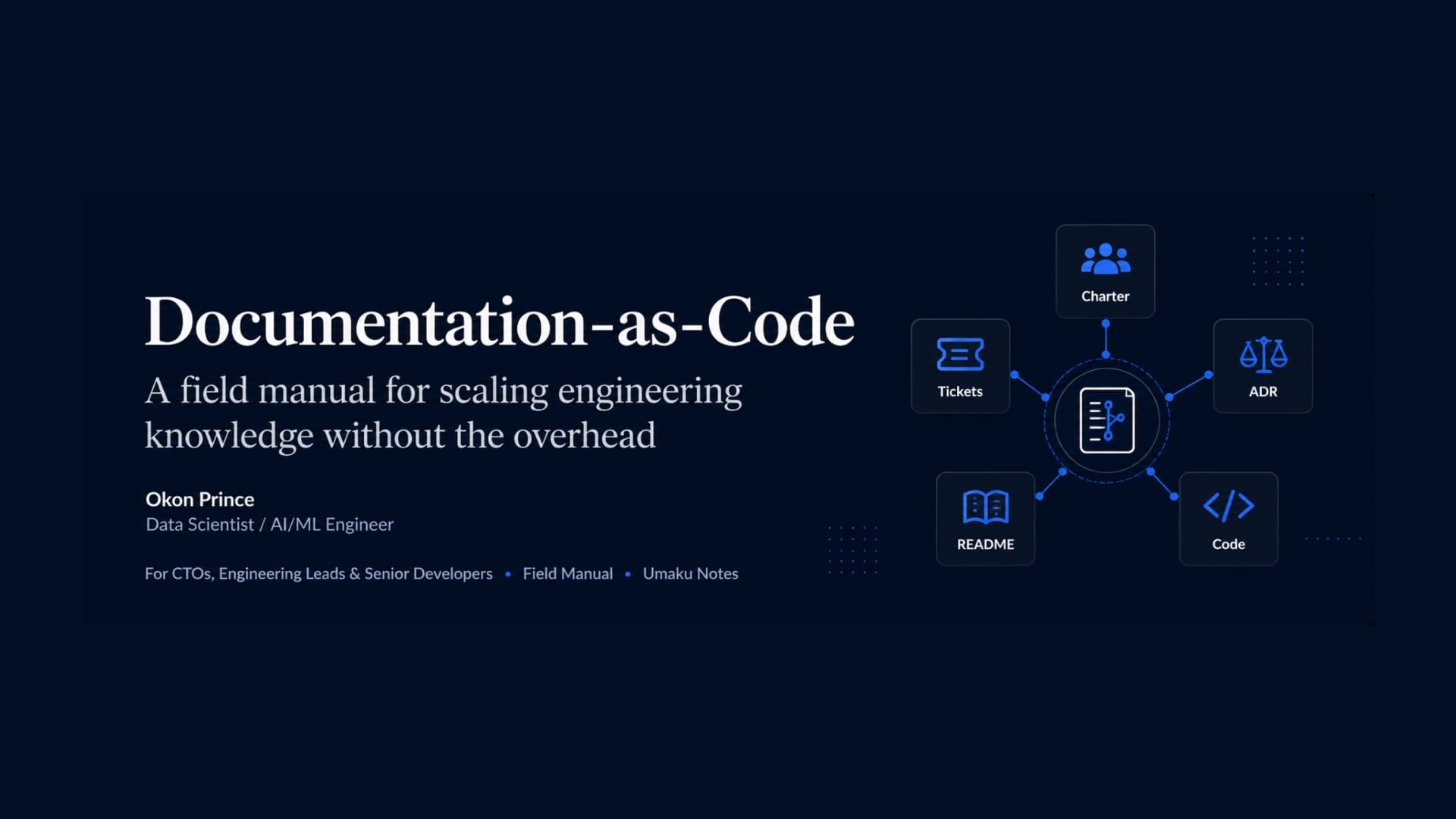
Discover how documentation-as-code helps engineering teams preserve context, accelerate onboarding, and make AI-assisted development more reliable.

Discover how AI is transforming project management from task tracking to delivery intelligence by connecting intent, code, quality, and outcomes.

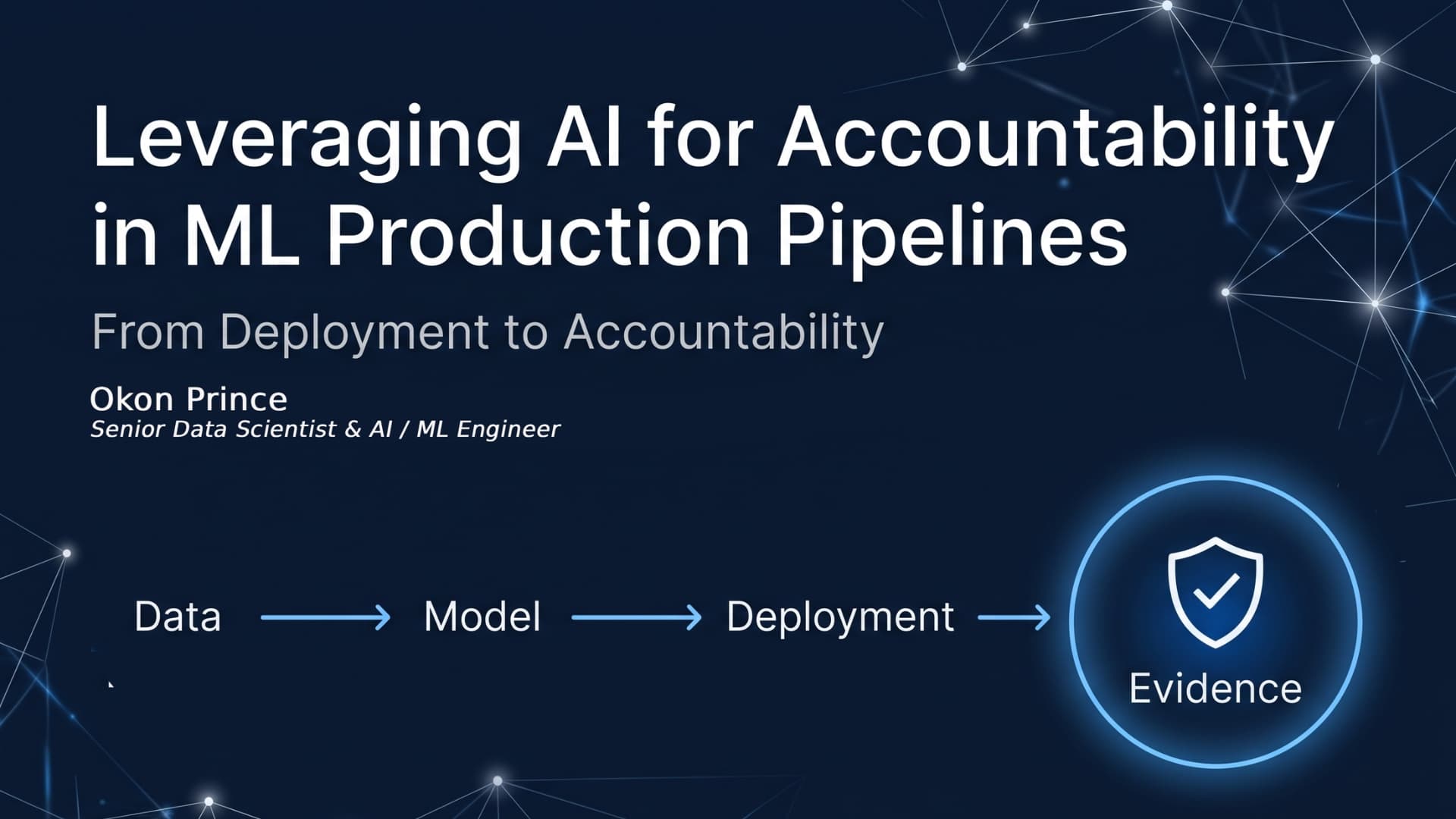
Why AI/ML teams are turning their pipelines into instruments of evidence — and how the next eighteen months of regulation will force the rest of us to follow.

Connect Cursor and AI IDEs to Umaku via MCP to manage tickets, bugs, sprints, and coding workflows directly inside your IDE.

Connect Claude or ChatGPT with Umaku using MCP to create tasks, track sprints, report bugs, and manage projects from AI chat.

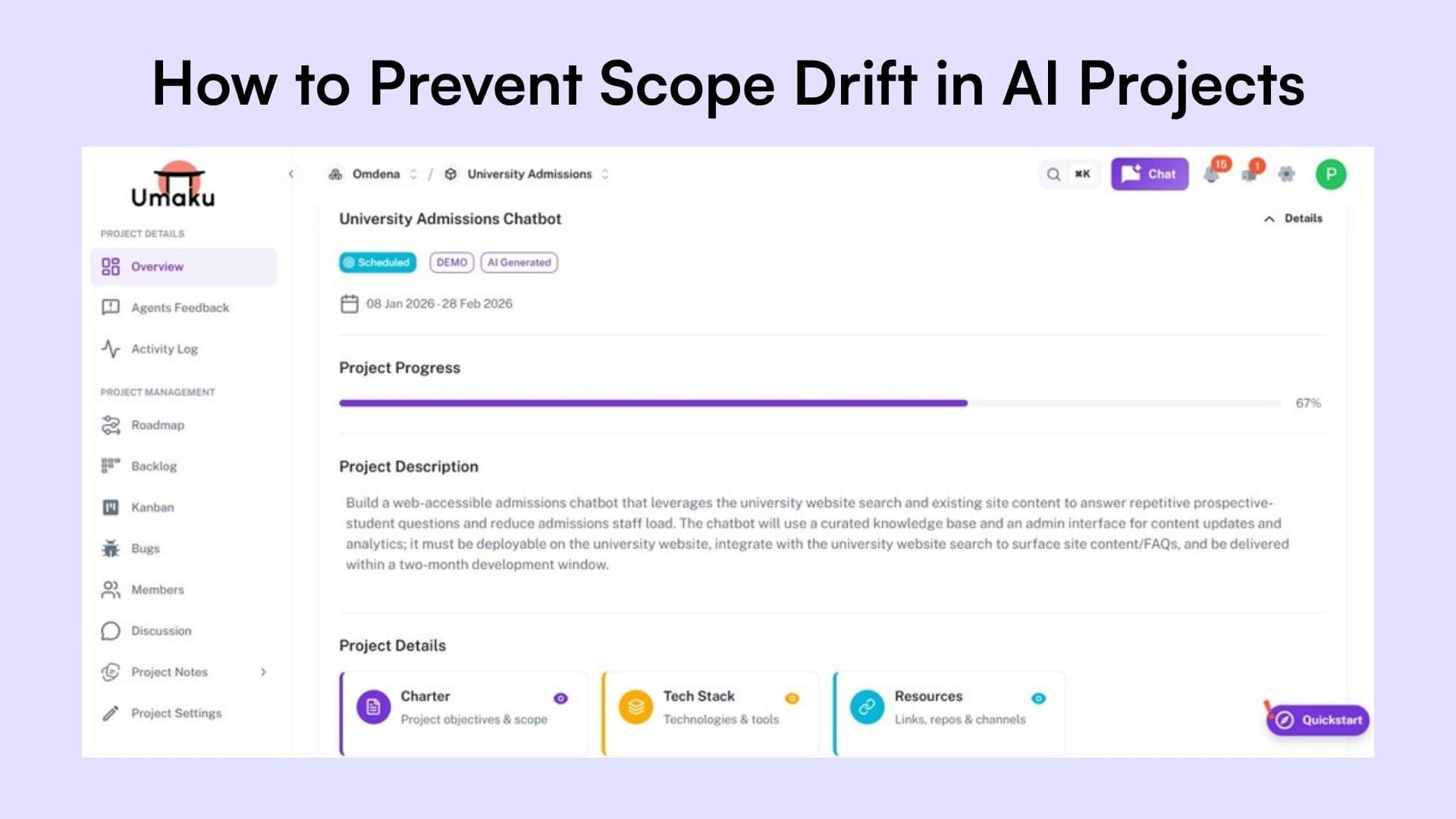
Discover how AI agents detect scope drift, prevent misalignment, and improve project tracking in modern AI development workflows.

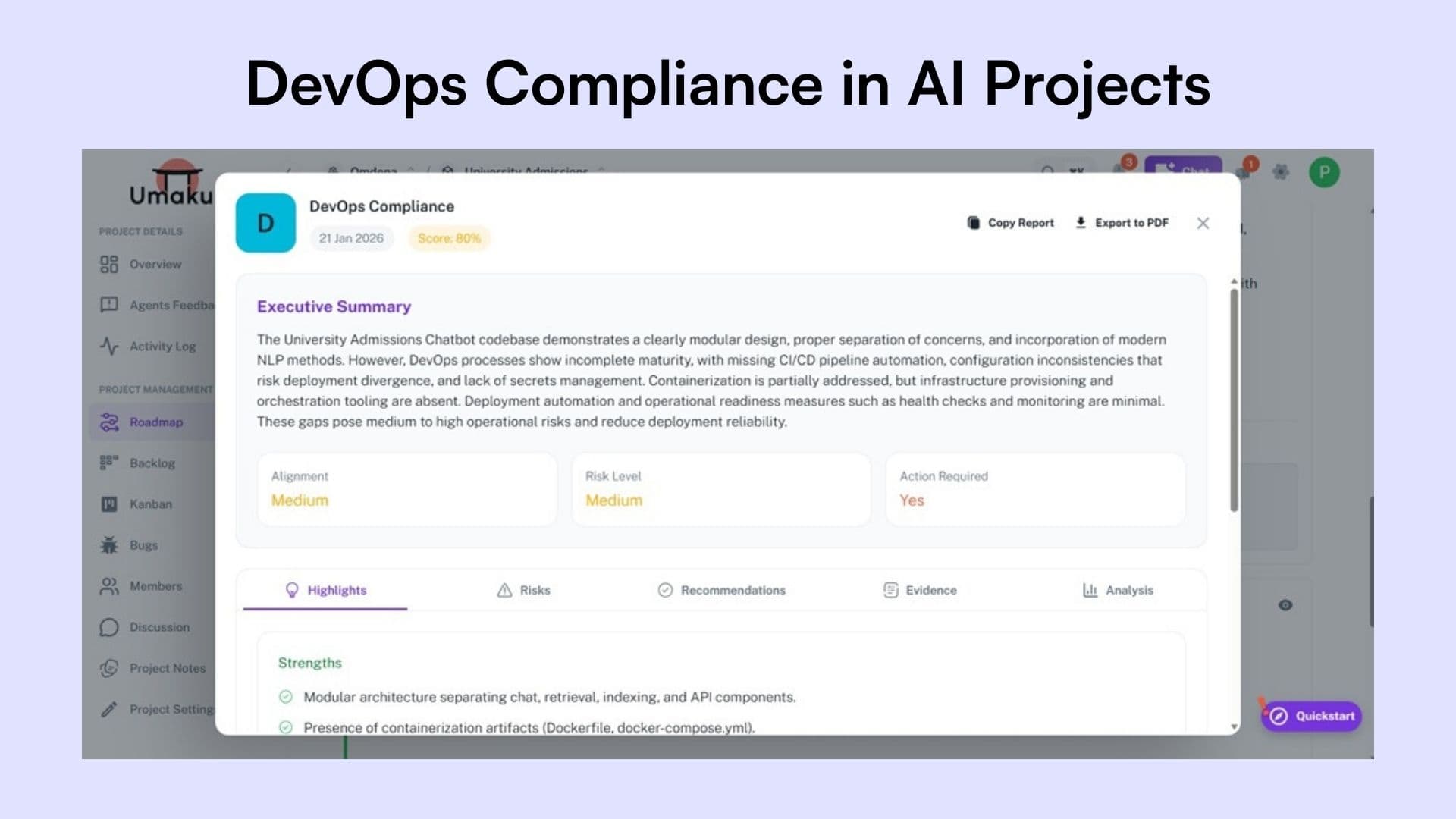
Explore how AI-driven DevOps compliance and DevOps automation in AI projects improve system reliability, reduce risk, and speed up deployment.

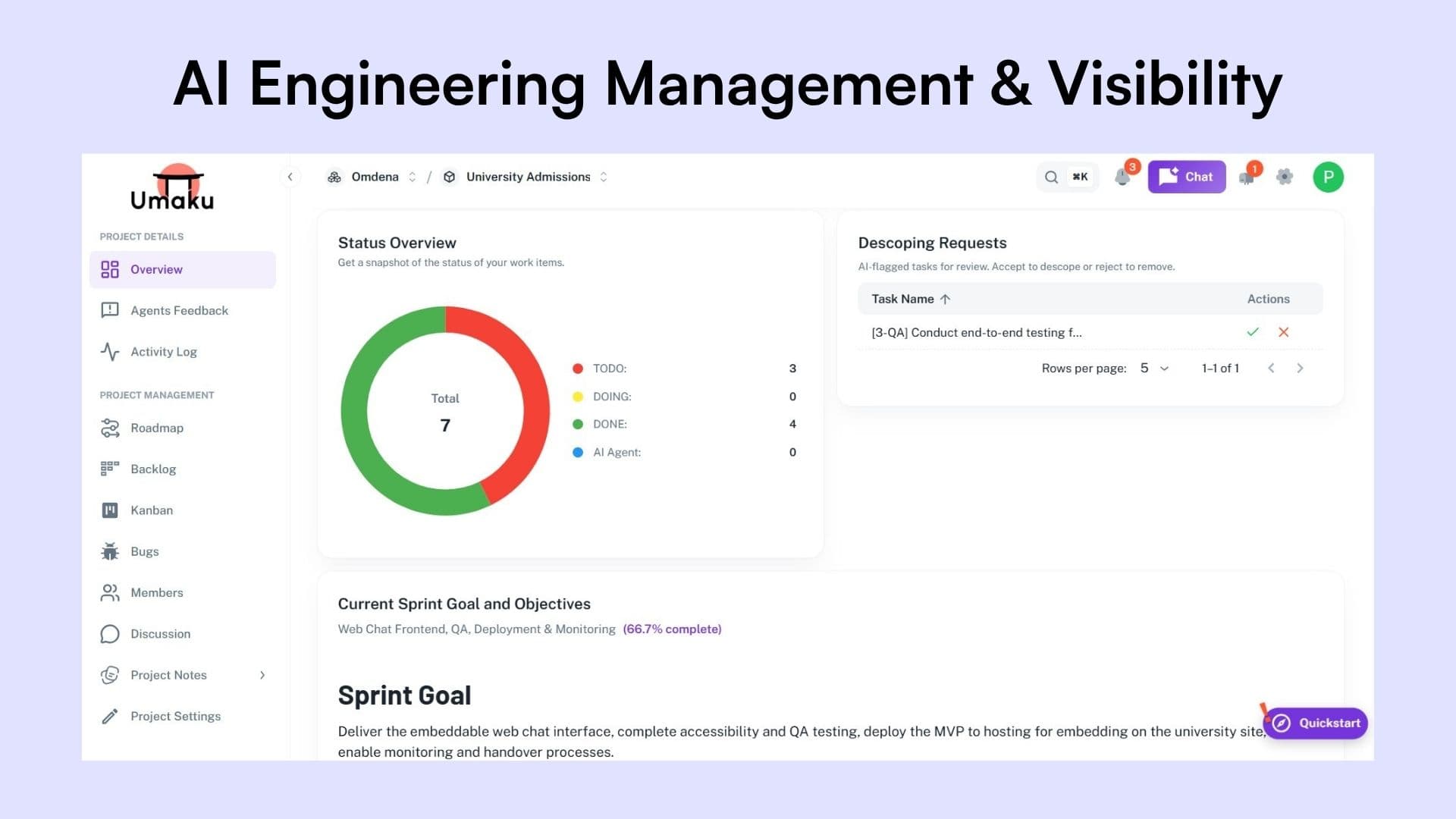
Learn how modern AI engineering management works in 2026. Discover how to gain visibility into AI teams without micromanaging developers.

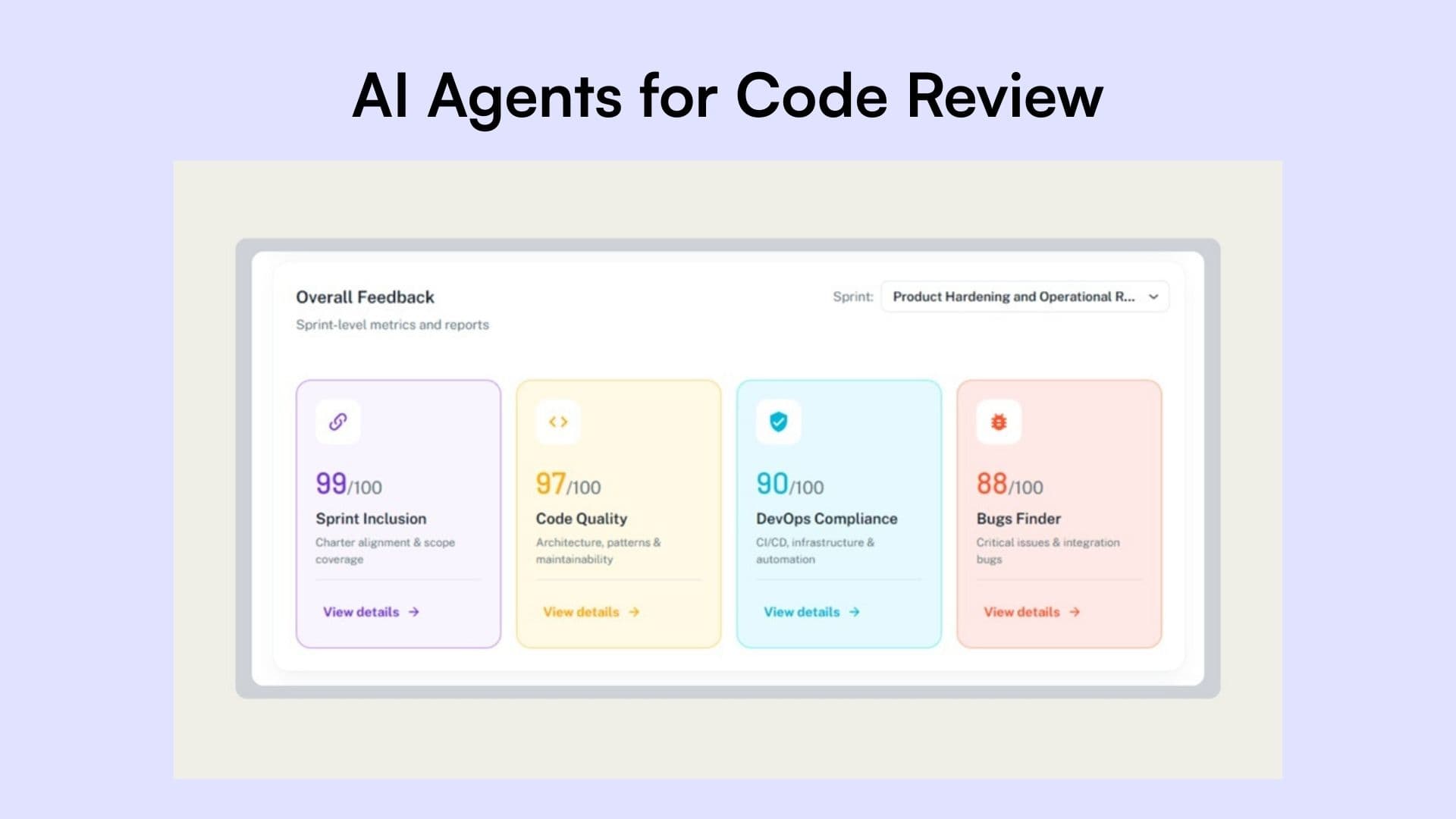
Learn how code review AI agents detect business logic errors and semantic risks that traditional tests and CI pipelines often miss.

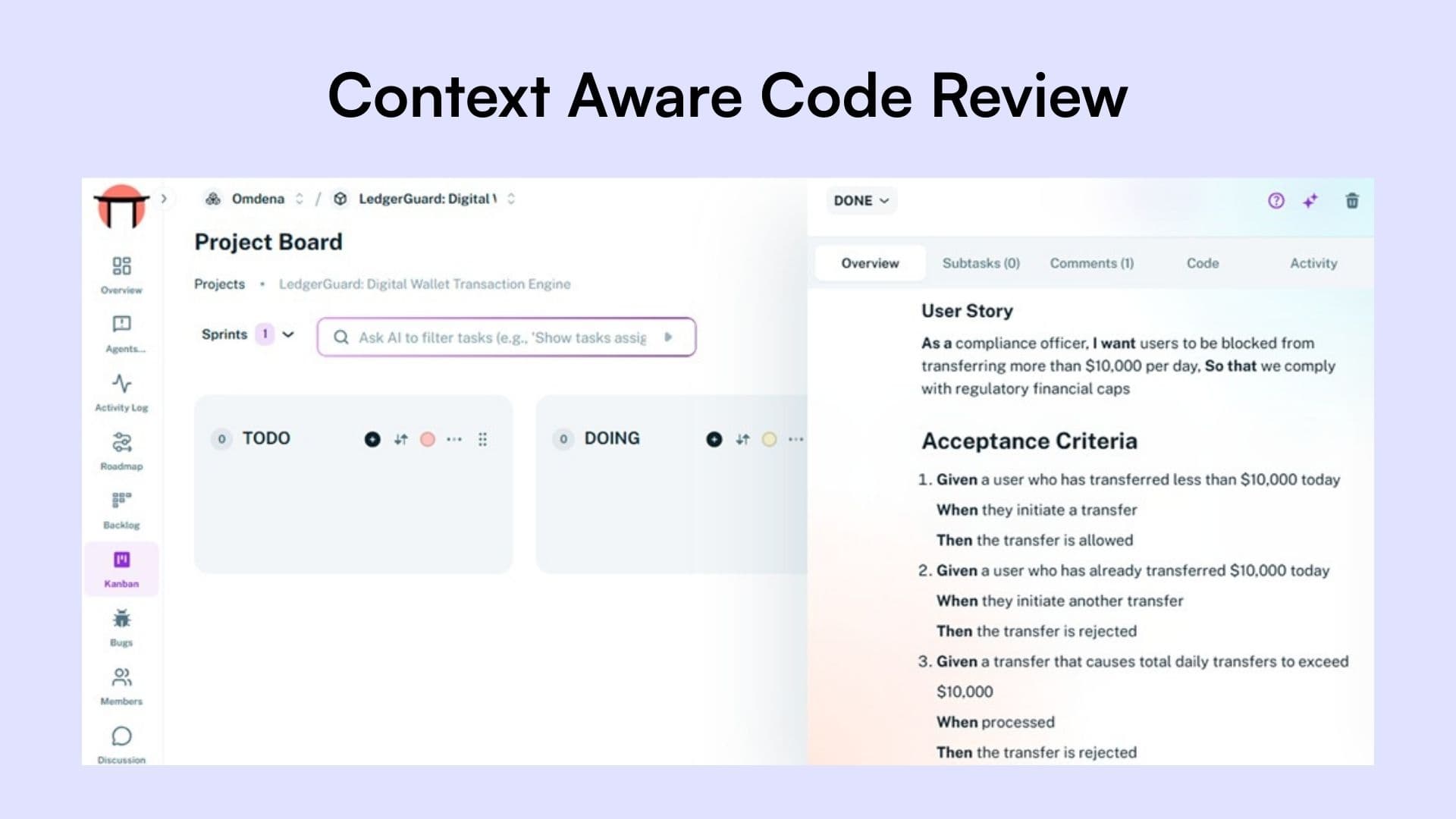
Context-aware code review ensures code aligns with business intent—not just tests. Learn how to prevent semantic drift in DevOps.

AI teams outgrew notebooks and generic workflows. Learn why AI delivery breaks in production and how Umaku was built to fix it.

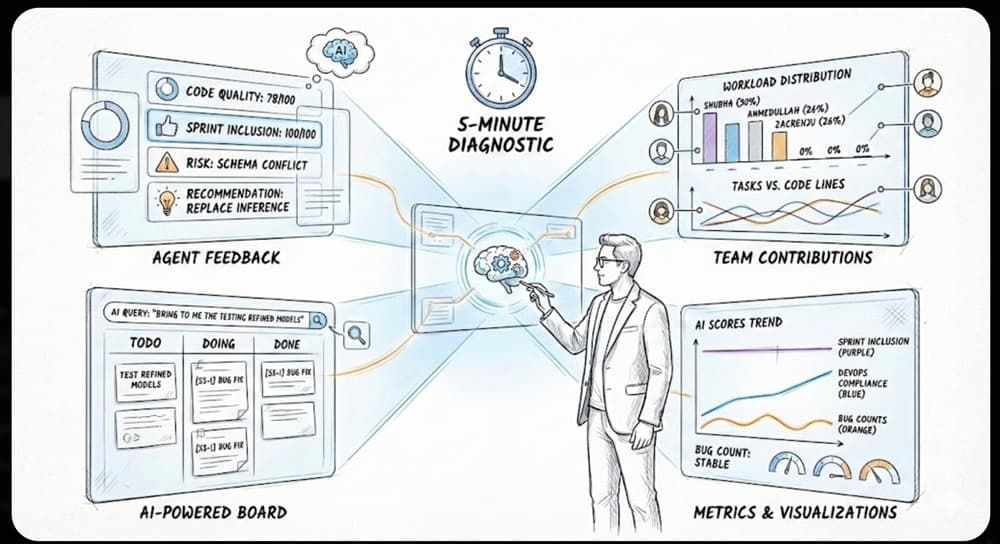
Stop guessing your project’s health. Learn how to use Agentic Diagnostics to identify bottlenecks, track workloads, and fix bugs in under 5 minutes with AI.

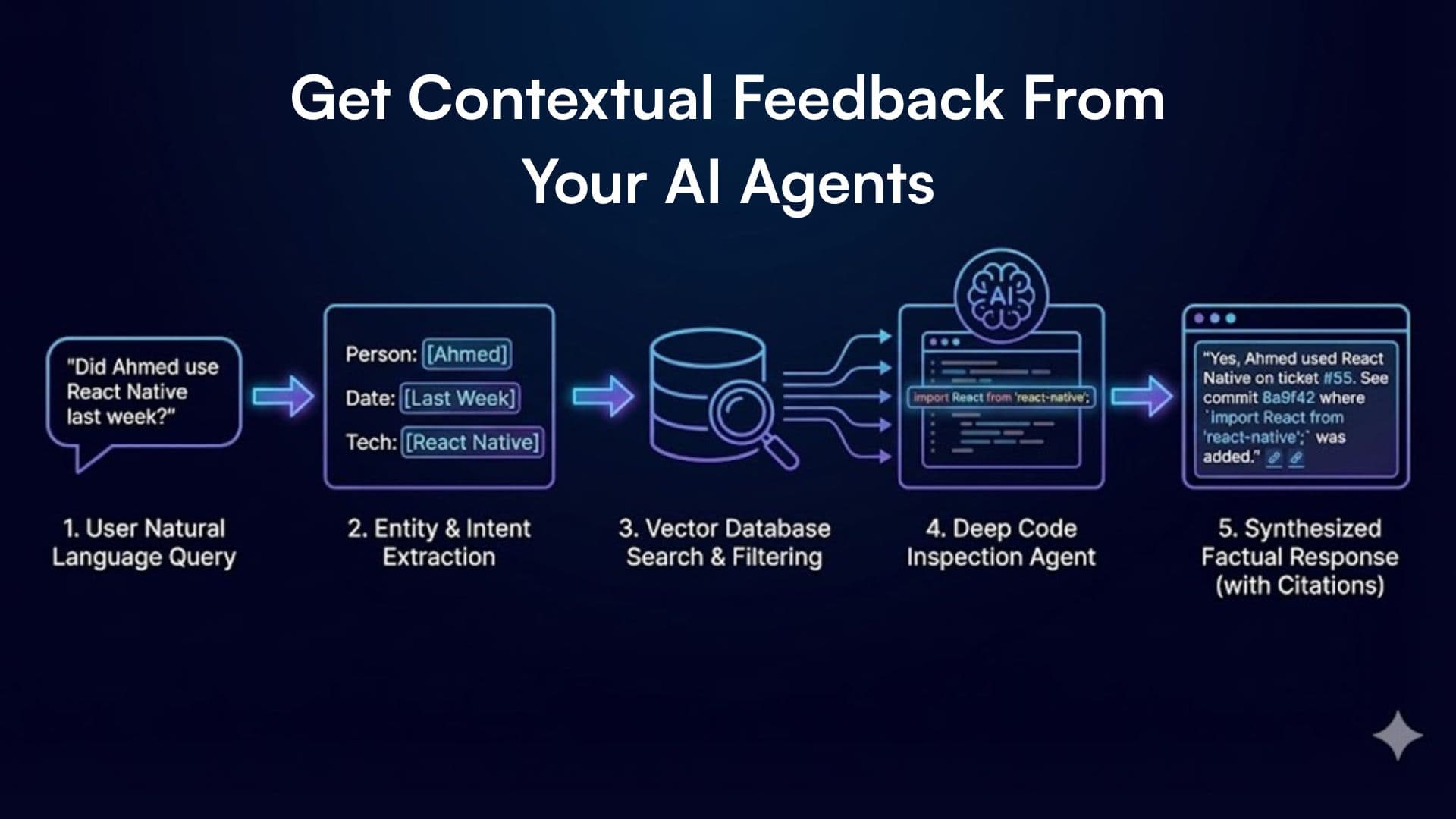
Learn how Umaku uses RAG, vector databases, and sequential AI agents to deliver contextual intelligence across code, tickets, and teams.

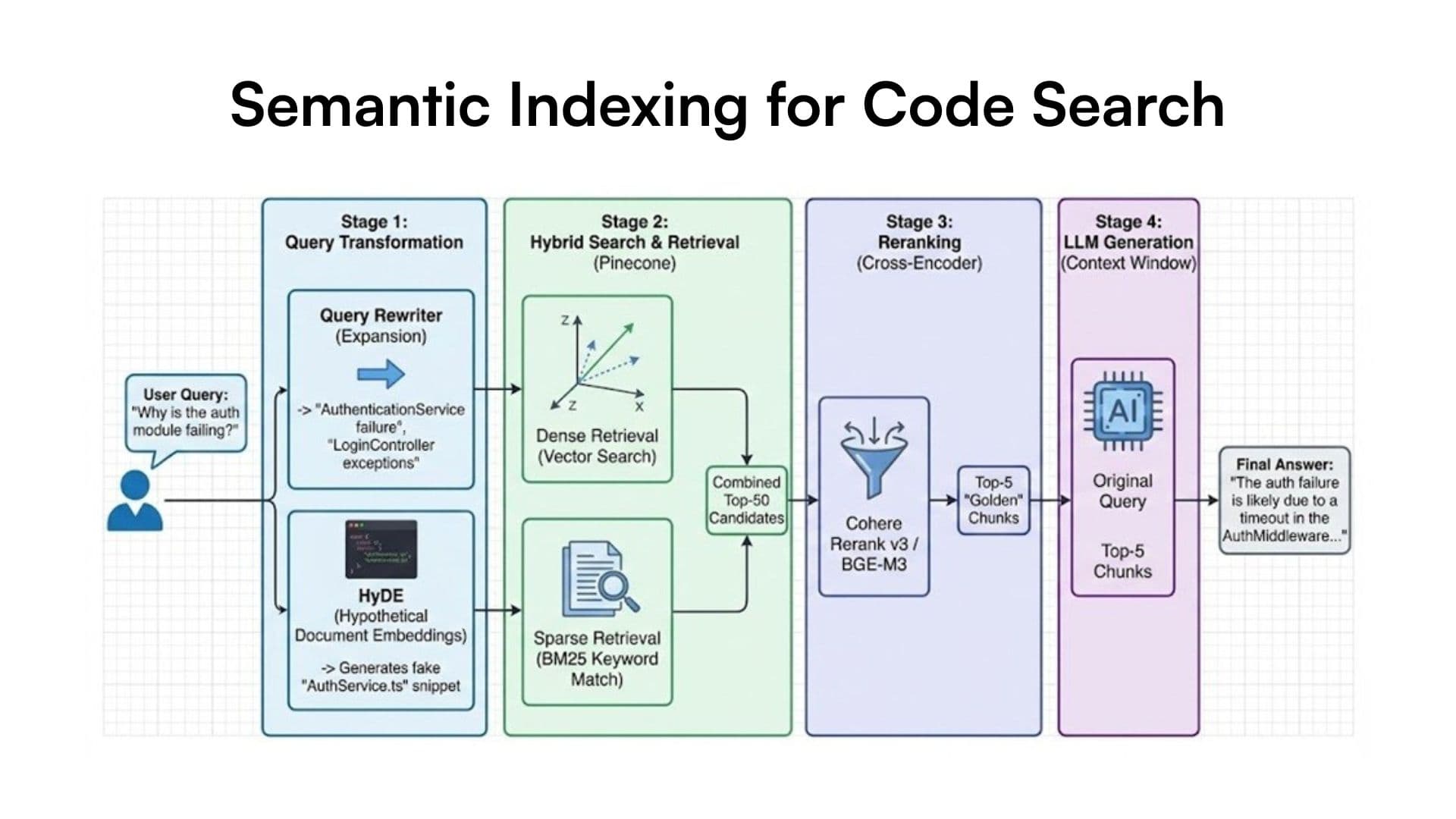
Learn how Umaku team built a context-aware semantic code search engine that goes beyond basic RAG to understand code structure, authorship, and intent.